
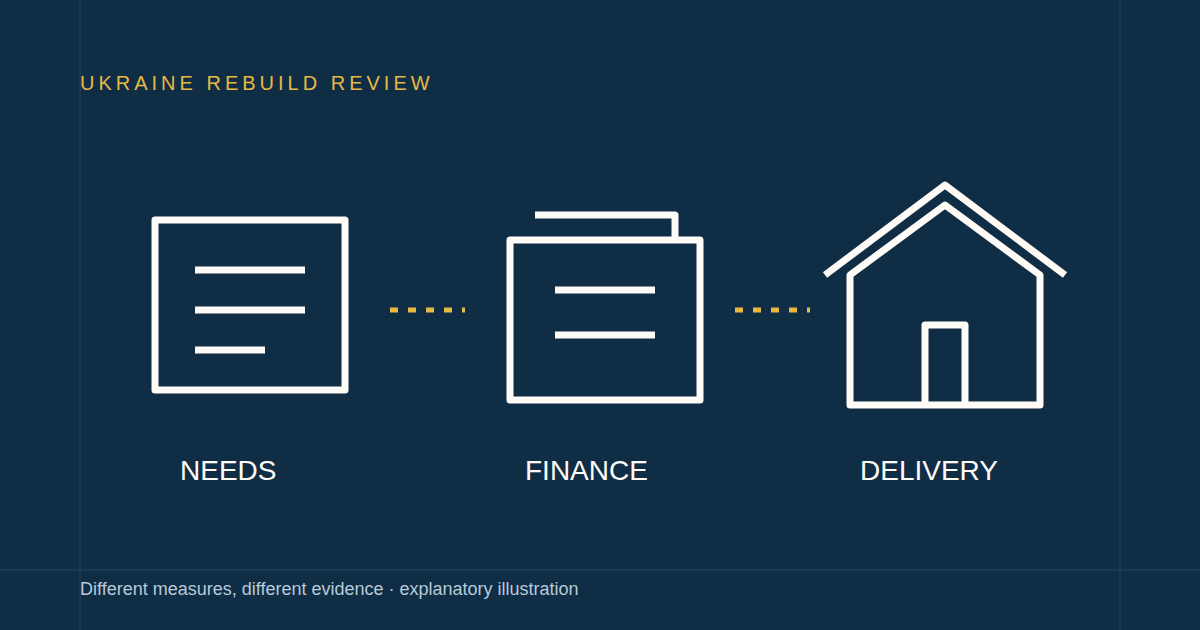
Ukraine’s reconstruction needs, financing announcements and completed projects measure different things. Comparing them requires the amount, reporting date, scope and stage of each claim.
RDNA5, the joint assessment released on 23 February 2026, estimated almost US$588 billion in recovery and reconstruction needs over the following decade, using a 31 December 2025 cutoff. The main report places those needs over 2026–2035. This is an estimate of required work and recovery support, not a balance of money pledged, received or spent. World Bank release; RDNA5 main report, table 1.
Damage, losses and needs answer different questions
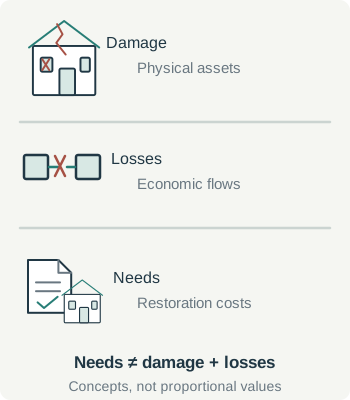
RDNA5 defines damage as the monetary value of damaged or destroyed physical assets, using replacement prices from before February 2022. Losses concern changes in economic flows, such as disrupted services or lost revenue. Needs estimate repair, restoration and reconstruction costs, including improvements and relevant price effects, at the assessment’s stated prices.
The report explicitly says that needs do not equal damage plus losses. Adding all three categories would produce a misleading total. RDNA5 definitions, printed page 4.
The distinction also limits comparisons across years. Check the assessment cutoff, prices and coverage before interpreting a changed estimate as a change in financing requirements caused by one event. Our October 2026 article update does not move RDNA5’s underlying data cutoff forward.
Financing takes several forms
A grant, a loan and a guarantee have different financial effects. A grant provides funding without the repayment obligation of a loan. A guarantee addresses specified risks or obligations under its terms; its headline value should not automatically be counted as cash transferred to Ukraine.
The EU’s Ukraine Facility illustrates why a programme name alone tells readers too little. The Council’s overview, reviewed on 7 October 2026, separates direct financial support linked to the Ukraine Plan, a framework to mobilise investment, and accession assistance. It also explains that direct payments depend on conditions and verification. The Facility includes both grants and loans. Council explanation of the Ukraine Facility.
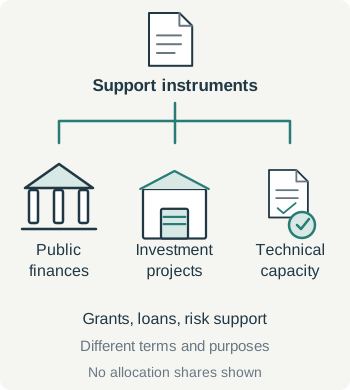
Budget support can help sustain public functions, while a project facility may finance defined activities and technical assistance may support their preparation or administration. Readers should identify the purpose before placing different figures in one comparison. The same money may appear in both a donor announcement and a receiving programme’s records, so adding announcements can also double-count support.
Follow the stages between a decision and delivery
A pledge records an intention. An approval authorises support under stated terms. A disbursement records a transfer at a particular point in the chain. A procurement contract defines a purchase or works obligation. Completed work needs its own evidence.
The Ukraine Community Recovery Fund gives an inspectable example of these distinctions. Its official page separates allocation decisions, participating organisations’ implementation and financial reporting, and the Administrative Agent’s receipt of contributions, transfers and consolidated reporting. A transfer to an implementing organisation is therefore a different event from completion of that organisation’s project. Official fund governance and reporting.
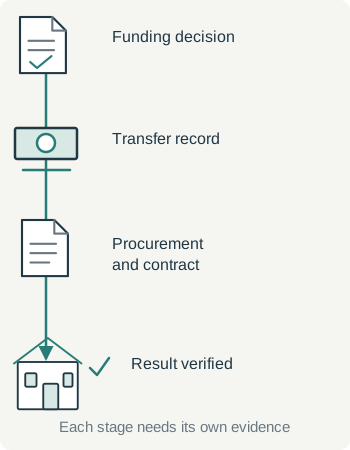
For Ukrainian public projects, DREAM and Prozorro provide another path. DREAM’s 2024 integration explanation describes linking a project to procurement through a purchase-plan number, with estimated and contracted values, status, contract details, and delivery and payment information. Official DREAM explanation.
Compare those records with the project’s actual scope and completion evidence. In a hypothetical school project, approval of a renovation budget, award of a roof contract and acceptance of finished roof repairs would establish different stages. None alone establishes that every planned improvement to the school is complete.
Check the claim before comparing the amount
Keep a short record of the original publisher, currency, publication date, reporting period and named financing instrument. Identify the recipient and the stage the amount describes. Then look for a project identifier or report that connects the money to a stated result. Where that connection is missing, the source supports a narrower conclusion about funding rather than delivery.
The housing reconstruction guide explains differences within physical repair work. The infrastructure recovery guide follows the gap between equipment delivery and functioning services. Our sources page describes how we use original records for these independent explainers.